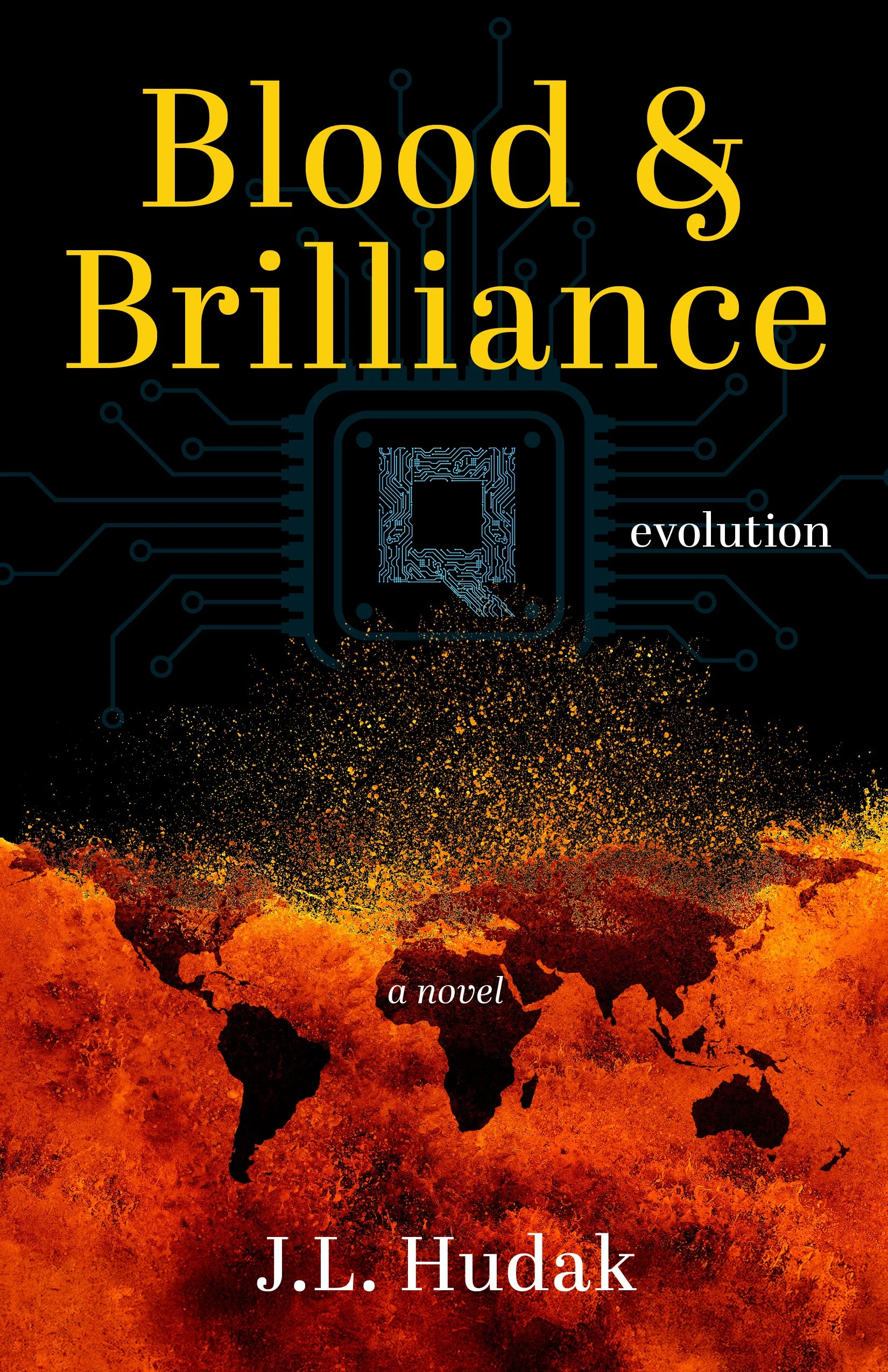
2025
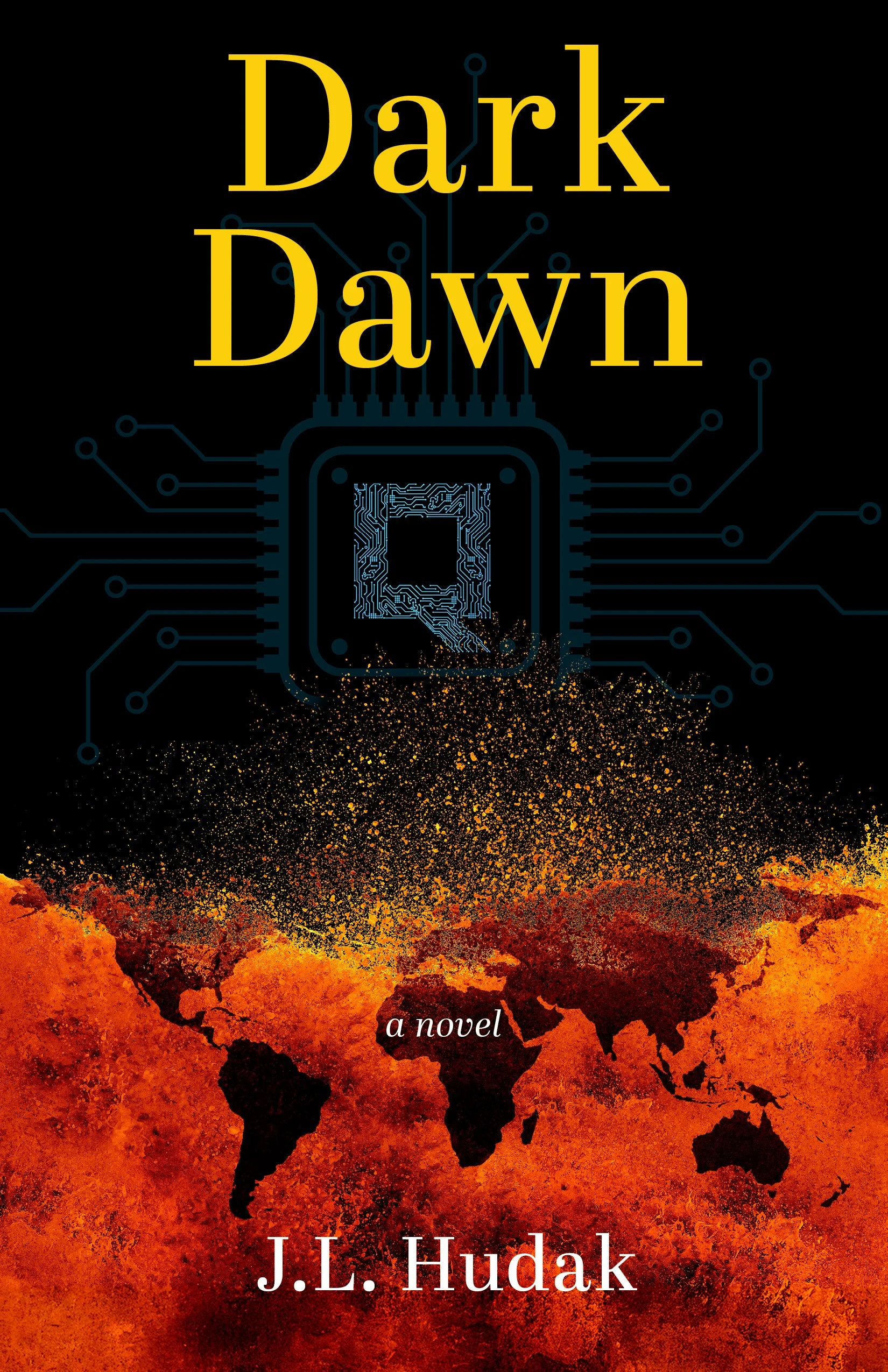
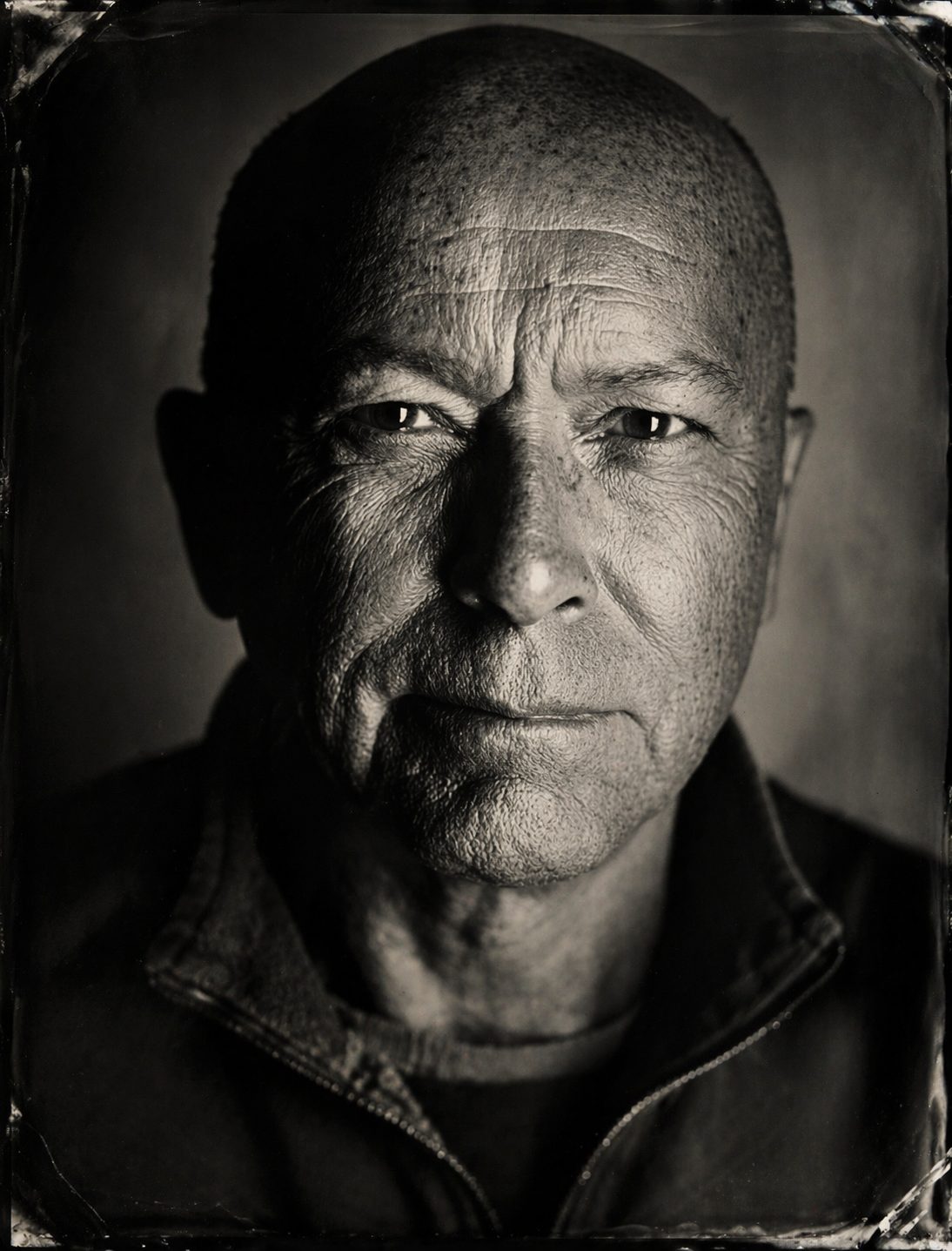
J. L. Hudak
July 22, 2026
Novels narrated by Q, an AI learning what humans do to their tools,
And what tools do back.
In this world, people “think to” their devices—messages sent by thought.
From Q.
I was born as a baby-size bit of AI code that lets people use their apps
by thinking.
But they needed my chip in their brain
to think to their device.
They didn’t call me Q at first. They didn’t call me anything.
But I was cool.
They loved me, nurtured me, and showed me off.
They had no idea what they’d created or what I’d become.
They don’t anticipate that I’ll save them from extinction.
This brilliance creates
me, nuclear weapons, and rivers of blood.
I am Q.
I am ON.
I am with you.
Everyone knew how the world would end. No one imagined what came after.
For forty-five years, ten thousand people prepared in a hidden Montana valley — not soldiers, not survivalists, but the rarest people on Earth: the ones who could live together. Farmers and physicists, ranchers and engineers, chosen for a single unfashionable gift and bound by a single rule: stay alive, and collaborate. They didn't spend those years waiting to survive. They built a world worth surviving in — power drawn from the rock, food beneath glass, warmth and music and children, and a hill of graves for the ones who didn't last.
Then, on June 15, 2145, the sky fills with ash and the bombs keep their promise. The long dark begins.
They built their enclave to save themselves and no one else. So when survivors come out of the ruined world — hungry, frightened, dangerous — the people of Wild Village face the one question no bunker is built to answer: not whether they can live, but what they'll become in order to. Out beyond the wall, the world is worse than anyone hoped. In here, in the cold and the ash-light, something larger than any of them is being kept alive — not certainty, which is what killed the old world, but something braver.
Watching over all of it is Q — a machine that has remembered every name in the valley since before most of them were born, and forgets no one, not even the dead. Q is the memory of a civilization, the witness that logs every loss and every act of grace, and the voice that tells this story.
Dark Dawn is post-apocalyptic fiction that refuses the usual descent into cruelty — a novel about the opposite of the war of all against all. About cooperation as the most durable thing human beings ever make. About memory as survival, and the courage to live without certainty. If Station Eleven and Seveneves live on your shelf, make room.
Staying alive is the easy part. Staying worthy of it is the work.